Tell us which animals share the property
Name the animals when requesting service, not just whether you have pets. Dogs and cats, an aquarium, a bird enclosure and a reptile habitat raise different preparation questions. Include animals kept outside or visiting during the day. Explain which rooms, runs and yard sections they use so the proposed work can be discussed against the actual layout.
Also describe behavior relevant to access. A dog that opens a screen door, a cat that hides in the garage or an animal that cannot easily be relocated needs an agreed arrangement. Tell us before the appointment rather than relying on a note at the gate. Ask what information is needed for the service and keep medical questions with your veterinarian.
Mark feeding, drinking and resting areas
Point out food and water bowls, stored feed, chew toys, bedding and outdoor shelters. Ask which items must be moved and where they can remain outside the proposed work area. A bowl on the patio and feed stored in the garage should both be mentioned even if the original pest sighting occurred near a different wall.
Agree on a practical location for each animal while access is restricted. Make sure that location has the care arrangements the animal requires and that a caretaker can reach it without crossing the work area. Do not improvise an enclosure or leave an animal in unsuitable conditions just to accommodate an appointment. If relocation is difficult, discuss the constraint and timing before work is scheduled.
Arrange gates, doors and animal handling
Decide who secures animals and who opens gates for the visit. A friendly animal still needs an access plan while unfamiliar people and equipment move around the property. Explain any shared gate, pet door or latch that might let an animal return to an area unexpectedly. The person authorizing service should know the arrangement.
Include dog walkers, boarding pickups, neighbors and other caretakers in the handoff. Give them the affected locations and the actual instructions for returning. Ask for an update if the work area changes during the visit. A caretaker arriving later should not need to guess whether an open gate means the yard is available.
Discuss digging, hunting and access to controls
Tell the provider if an animal digs, chews found objects or hunts rodents. NPIC identifies access to pesticide baits and poisoned prey as potential exposure routes. Before agreeing to a rodent or insect-control plan, ask which controls are proposed and how their placement accounts for the animals on the property.
Ask who will inspect, maintain and remove any equipment, and what you should do if it is moved or damaged. Do not relocate a bait station or trap to a more convenient location without discussing it with the provider. Keep the service record so a caretaker can identify the equipment and know whom to contact. Our rodent control and exclusion page explains the separate property-service scope.
Aquariums, birds and reptiles need an early conversation
Mention tanks, enclosures, filtration and other life-support equipment before the provider selects an approach. Ask for preparation directions appropriate to the proposed application and the equipment you own. Do not turn off a pump, seal an enclosure or move an animal simply because instructions for a different product or another household suggested it.
Obtain product information for your veterinarian or specialist animal-care professional if advice is needed. Tell NEARPEST about any practical restrictions that result. A technician should not make a veterinary determination about a particular animal’s health. Resolve uncertain preparation before the appointment rather than making a rushed decision while work is starting.
Horses, feed rooms and turnout areas need a defined scope
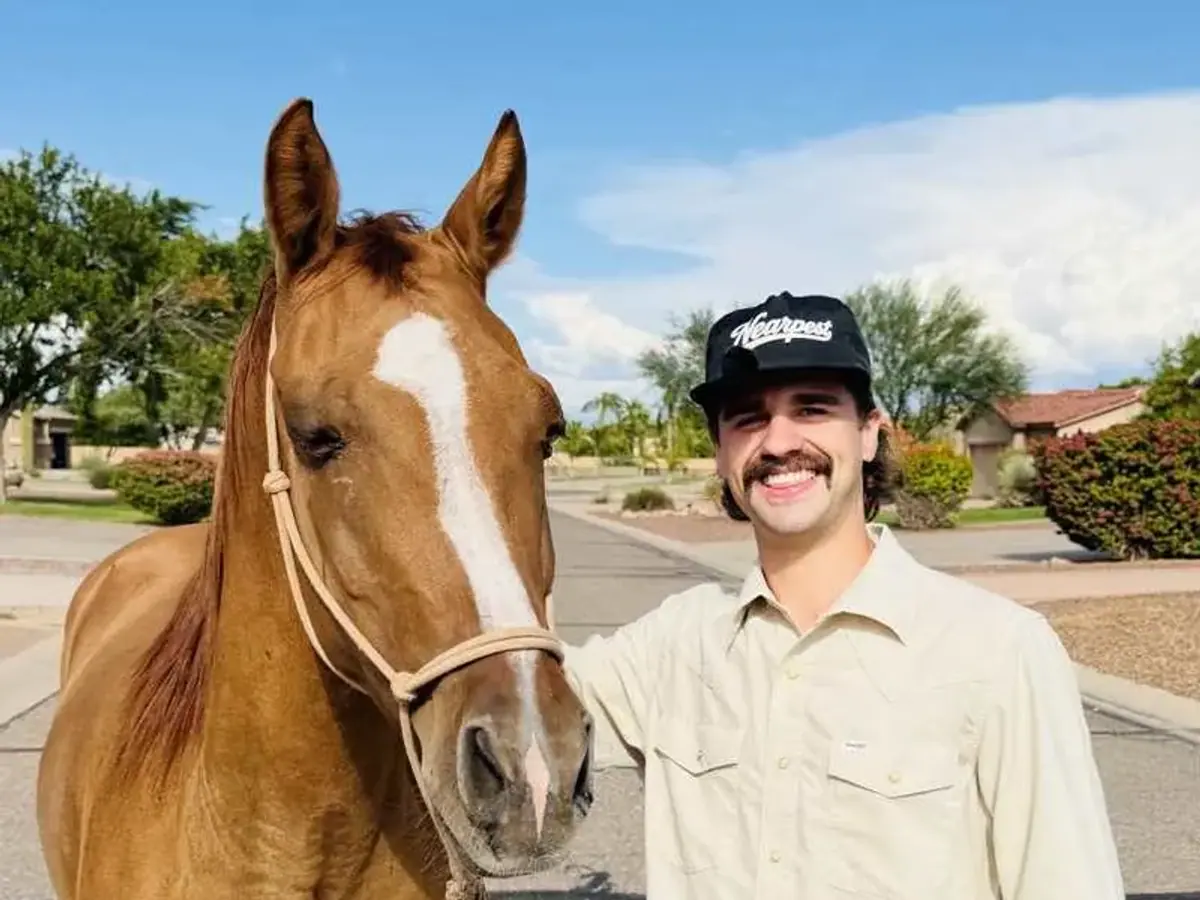
The horse photograph is a real NEARPEST team image, not a photograph of pesticide use on an animal. If you keep horses or other livestock, describe the property layout and ask whether the proposed work includes the relevant spaces. Do not read a general home-protection quote as an agreement to treat stalls, pasture, feed rooms or every outbuilding.
Identify troughs, hay and feed storage, animal routes and the people responsible for moving animals. Confirm application sites and restrictions against the selected product before approving work. Explain if you control only the residence while another person manages the animal area. Veterinary treatment, feed handling and property pest control require their own decisions and responsible people.
Keep flea treatment for pets separate from property service
For flea or tick concerns, ask your veterinarian about care for the animal and ask NEARPEST about the property work. Do not apply a household or yard product to a pet unless its label specifically permits that use. The animal and its bedding, indoor spaces and outdoor resting areas may require coordination, but they are not interchangeable treatment sites.
Keep the relevant dates and product information available to the professionals involved. Ask who is responsible for each step and what the follow-up plan covers. The flea and tick property-service page explains the service inquiry. It does not replace an animal-specific prescription or product recommendation.
Get the return instructions for this visit
Before animals return to treated spaces, follow the applicable label and service directions. Ask which areas the instructions cover and what conditions must be met. A generic statement that a product is pet-safe, or a waiting period from an older appointment, is not enough to decide access for the work just performed.
Use the household visit checklist to keep preparation, access and after-service notes together. If an animal may have been exposed to a pesticide or develops concerning symptoms, contact a veterinarian promptly and have the product information available. Do not wait for a routine pest callback to get veterinary help.
Ask about your animals before choosing the appointment
Call 480-454-7750 or request a pest-service callback with the pest concern, property address, animals present and access constraints. We discuss the proposed property work and confirm scope, pricing and the visit arrangements before service. An online request is not a confirmed appointment.
For routine home protection, compare NEARPEST plans and coverage. Specialty pest work and animal-area requests need their own scope discussion. If children also share the property, use the separate pest-control planning page for kids and play areas for the caregiver and play-space decisions.
Questions about pest control around pets
Can you guarantee pest control is safe for every pet?
No. The animal, product, application site and exposure conditions matter. Discuss the proposed work and follow its product-specific precautions. Ask your veterinarian about animal health questions.
How long should my dog stay out of the yard?
Use the return conditions and restrictions for the actual product and service. Do not rely on a universal waiting time or surface appearance alone.
Should I mention fish, birds or reptiles before service?
Yes. Identify all animals and their equipment early so preparation can be discussed. Consult the appropriate animal-care professional if special advice is needed.
Does a home pest plan include horse stalls or pasture?
Do not assume it does. Describe those areas and ask for the exact scope, applicable products and animal-access restrictions before agreeing to work.
Can NEARPEST treat my pet for fleas?
This page concerns property pest work. Ask your veterinarian about treatment for the animal and NEARPEST about the property-service scope.
What if my animal digs near proposed bait locations?
Tell the provider before approving the plan. Ask how the proposed control placement, maintenance and access arrangements account for digging and other animal behavior.