
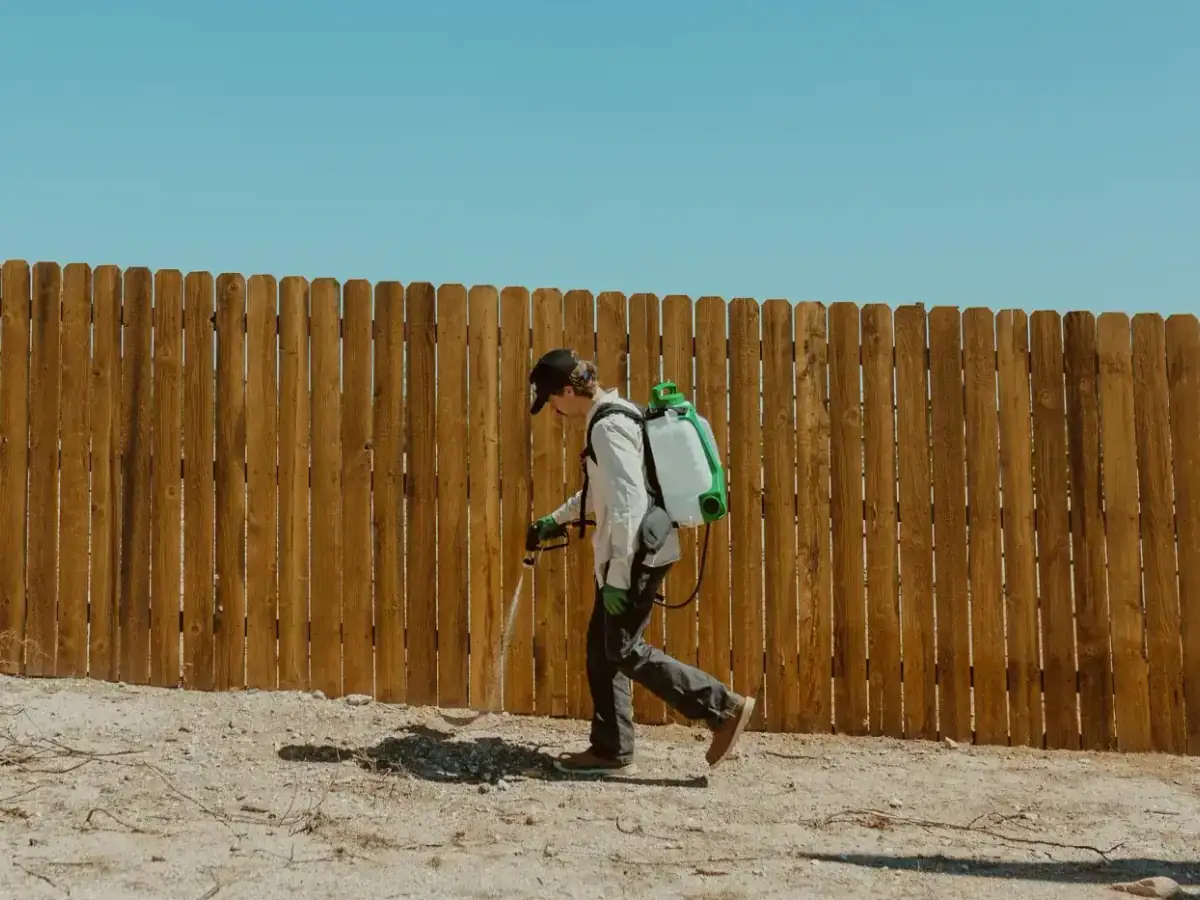
Start with the room your child uses
When requesting service, name the pest if you know it and the place it appeared. A scorpion near a bed, ants at a snack cupboard and insects around a patio playhouse give us different inspection questions. Explain where the activity is occurring rather than asking for every room to receive the same application. If you have a photograph already, share it; do not ask a child to approach an insect or collect it.
Walk through the household routine when describing the space. Include floor-level play, reading corners, toy storage, stroller parking and the door children use after school. These details let the appointment discussion address how your family uses the property. They do not establish a medical assessment or a treatment method before the pest and scope are understood.
Map play spaces before choosing a treatment area
Identify indoor and outdoor play locations separately. A sandbox, climbing frame, shaded patio, bedroom and living-room rug are different parts of the home. Ask which of those areas are proposed for inspection, which may be treated and which should remain outside the work. If a location must stay accessible, raise that before accepting an appointment.
Mention a play area next to an exterior wall or gate, even if the pest was noticed elsewhere. Ask how access will be managed while the technician works. A family member should know the agreed boundary so a child is not sent through the work area to retrieve a ball or reach the car. If the household cannot maintain the restriction, discuss a different arrangement before service.
Ask for product information you can use
Ask what product is proposed, where it is intended to be used and which precautions apply to the service. EPA advises keeping children and toys away during application and following label directions for access afterward. The product label and the instructions for your appointment determine the restrictions. “Natural,” “kid-friendly” or “low odor” alone does not answer those questions.
If a child has a health concern relevant to a proposed treatment, request the product information for discussion with the child’s healthcare professional. You do not need to share a detailed medical history in an online quote form. Explain the practical restriction to NEARPEST and arrange any medical discussion with the appropriate clinician before making a decision.
Plan where toys and belongings will go
Get the preparation list before the visit. Ask which toys, blankets, bottles, play mats and other belongings must be moved from the work area. Select a storage location outside that area rather than putting everything in an adjacent space that is also included in the proposed work. Explain if large furniture or equipment cannot be moved.
Keep preparation and cleanup instructions separate. Do not assume an item needs washing, that a treated surface should immediately be scrubbed, or that a play mat can be returned as soon as the technician leaves. Ask what applies to the actual service and record the answer. EPA also recommends keeping household pesticide containers out of children’s reach and retaining their original containers; include products already stored in the home when reviewing your setup.
Give caregivers one clear set of directions
Choose an adult to coordinate access, receive the service notes and tell everyone when restricted areas can be used. Include babysitters, grandparents, visiting family and anyone collecting a child from school. Send the actual instructions rather than a shortened message that leaves out which room, yard section or condition the restriction concerns.
Before the appointment, ask how you will receive those instructions. If a caregiver needs the kitchen or a particular entrance, mention that constraint when arranging service. Afterward, check whether the work or access plan changed. A message saying “the visit is finished” should not be taken as permission to reopen every area of the property.
Know what returning to play requires
Ask for the conditions that must be met before children return to each treated area. Avoid borrowing a waiting time from a neighbor, a previous appointment or a social-media post. The product, application site and work performed may differ. A surface looking dry does not override another restriction in the applicable directions.
If the instructions are unclear, contact the provider before reopening the area. Keep a copy with the service record so another adult can check it. Use our shared household preparation checklist to organize the before, during and after steps; this page helps you resolve the child-specific planning decisions first.
Choose the pest service, then plan the family routine
Child-focused planning applies to the service you actually need. Start with general pest control for routine protection, scorpion inspection and control for scorpion concerns, or the relevant specialty page when another pest is involved. Ask what is included before treating a general plan as coverage for every possible problem.
Call 480-454-7750 or request a conversation about your home. Describe the pest location and the spaces that need to remain available to your family. We confirm the proposed scope, price and appointment arrangements. A callback request or online estimate is not a confirmed visit. If animals share the property, use our separate pest-control planning page for pets and animal spaces.
Questions about pest control around children
Does kid-friendly mean a treatment has no risk?
No. Ask about the exact product, application locations and precautions. Follow the applicable label and service instructions; a friendly-sounding description is not a substitute.
Can my child stay home during pest control?
Discuss the proposed service and which areas can remain accessible before booking. The answer depends on the work and applicable directions. Do not assume every appointment requires the same arrangement.
Do I need to move toys from the patio?
Ask for the preparation instructions for the patio and other proposed work areas. Identify a place for moved belongings that is outside the treatment area.
When can children use the yard again?
Use the restrictions and return conditions supplied for the actual treatment. There is no single waiting time for every product or yard service.
What should I tell a babysitter after the appointment?
Share the service instructions, affected areas, return conditions and provider contact details. Make sure the caregiver understands any area that remains unavailable.
Is this service a medical response to a bite or sting?
No. Seek medical assistance for symptoms or suspected exposure. Call 911 for severe symptoms such as trouble breathing or collapse; property pest service is a separate request.