
Commercial / Warehouses & storage facilities
Warehouse pest control. Define the zones before quoting the building.
Your service, visit schedule and price confirmed before you book.
Plan a walkthrough with an owner.
Got it. Keegan or Ryland will call you from 480-454-7750.
Prefer to book yourself? Pick a time →Thanks. Your details are with the owners.
★ 5.0 on Google (46 reviews) · Veteran-owned · AZ license #10744 · No annual contract
Dock doors, pallet storage and dispatch areas create different inspection and access needs. Bring a floor plan and describe what is stored so the walkthrough can focus on the right zones.
A good place to start
Square footage is only the starting point.
The goods in storage, receiving activity and access around racks matter to the proposed program. Tell us about food or feed storage, reported rodent activity, damaged packaging and any customer-required records. Specialized commodity work or fumigation must not be assumed to be included in a general structural pest-control quote.
Map the route through the facility
- Receiving and dock doors
- Where do arrivals wait, which doors are routinely open, and who can authorize dock access?
- Rack and pallet storage
- Which aisles are accessible, what goods are involved, and where was activity or damage found?
- Dispatch and returns
- How are outbound goods and returned items separated and reported when there is a concern?
- Exterior and waste areas
- Who manages the perimeter, refuse collection and any repairs outside the warehouse footprint?
Make observations traceable
Use a location reference that staff recognize: aisle, bay, dock or room. Include the date and the relevant stock or packaging details when reporting an issue. If a monitoring layout is proposed, agree on how locations and results will be recorded so later findings can be compared with the same area.
Arrange safe access to the inspected zones
The proposal should state whether requested records and specialty work can be supplied. Do not treat a general pest service agreement as a certification or a guarantee of a customer audit result.
- Name the site contact and any escort or induction requirement.
- Share shift changes, loading periods and forklift traffic restrictions.
- Identify inaccessible racks or spaces before agreeing to coverage.
- Provide the reporting format or customer standard you want reviewed.
Before we head your way
Good questions.
Clear answers.
Does a warehouse quote include fumigation?
No. Do not assume commodity treatment or fumigation is included. Describe the goods and suspected pest; we will confirm whether the requested work is within the service available for your site.
Can rodent monitoring be part of the proposal?
Ask about it during the walkthrough. Assessment, equipment locations, checking frequency, reporting and any exclusion work need an explicit scope and price.
Will the program meet our customer’s audit standard?
Supply the actual requirements before requesting a quote. The agreement must confirm what documentation and service can be provided; an audit outcome is not guaranteed.
Use zones that match the way inventory moves
A warehouse inspection is easier to act on when observations refer to recognizable zones: receiving, storage aisles, dispatch, waste handling and employee areas. Provide a plan or walk the technician through the operational route. A numbered bay or dock door is more useful in a report than a general note about the back of the building.
Discuss door use before assuming a gap alone explains activity. A dock left open for a long loading window presents a different access pattern from a damaged seal on a door that stays closed. Pest service and operational changes need to work together. Staff should not have to defeat a necessary loading process to follow an impractical recommendation.
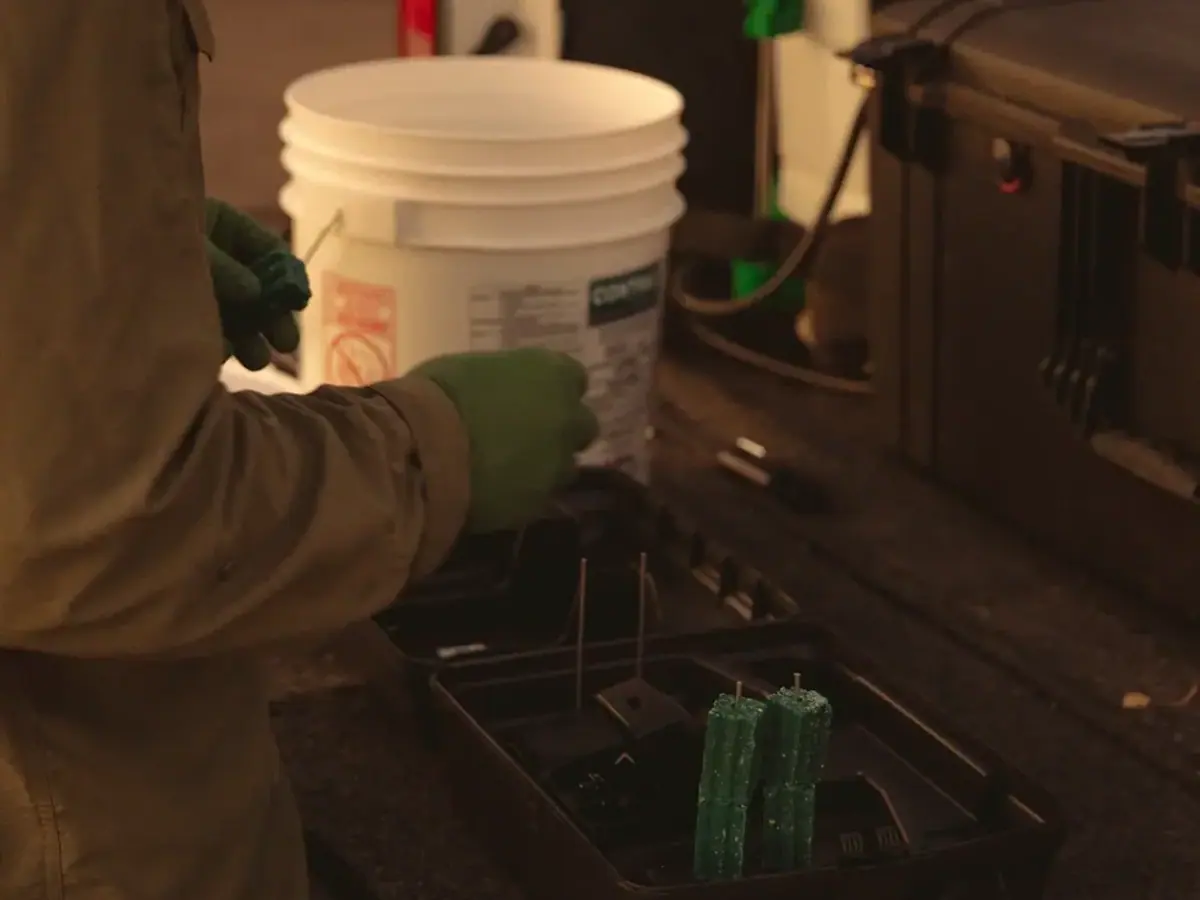
Monitoring equipment must fit the site’s traffic and handling requirements. Identify forklift routes, washdown zones, sensitive inventory and areas that cannot be entered without an escort. A device location should be recorded clearly enough that another authorized person can find it without searching through stock. Establish who reports moved or damaged equipment.
If rodents are suspected, ask the proposal to separate active control, structural exclusion and monitoring. The rodent service page explains those roles. Repairs at loading doors or building penetrations may need the owner’s contractor and an agreed completion date; a recurring treatment visit does not close a physical opening.
Review findings against inventory and maintenance changes. New packaging, seasonal stock, vacant zones or altered waste collection can change inspection priorities. Keep supplier concerns evidence-based rather than treating one damaged carton as proof of a source. Food storage or processing adds further requirements, so describe the actual use before treating a general warehouse quote as an appropriate program.
Review findings alongside building changes
A warehouse report should remain useful when inventory moves. Label the inspection zones in a way that staff can still recognize after a rack layout changes, and update the map when a dock or storage area is reassigned. Record blocked access as an access issue rather than treating it as a completed inspection of the hidden space.
Ask who checks dock-door repairs, damaged seals and recurring housekeeping concerns. The pest report can identify a condition, but it cannot close a maintenance work order by itself. Give each repair a location and an assigned contact, then report completion so it can be reviewed during subsequent service. Keep work around forklifts and loading operations coordinated with the site’s safety procedures.
For stock that must meet a customer’s documentation requirements, share those requirements before accepting a pest proposal. Do not assume that ordinary service notes satisfy every audit format or customer specification. The written agreement should state which records NEARPEST will provide and what the facility must maintain.
Where an office or retail counter shares the building, define the boundary between those occupied spaces and the warehouse program. Different hours, keys and housekeeping responsibilities can require separate access arrangements even under one roof.
Related service information
Bring active rodent evidence into the walkthrough and use the commercial overview to compare ongoing programs. A connected customer-facing area may also need the access arrangements described under retail service.

Your go-to bug guys
Let’s take a look
at your place.
Tell us where you are and what you are seeing. We will confirm the right next step, the scope and the price before getting started.